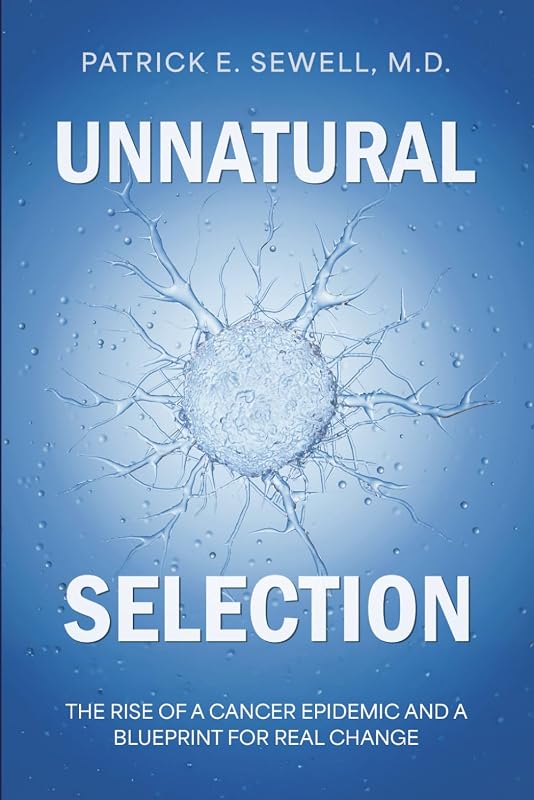
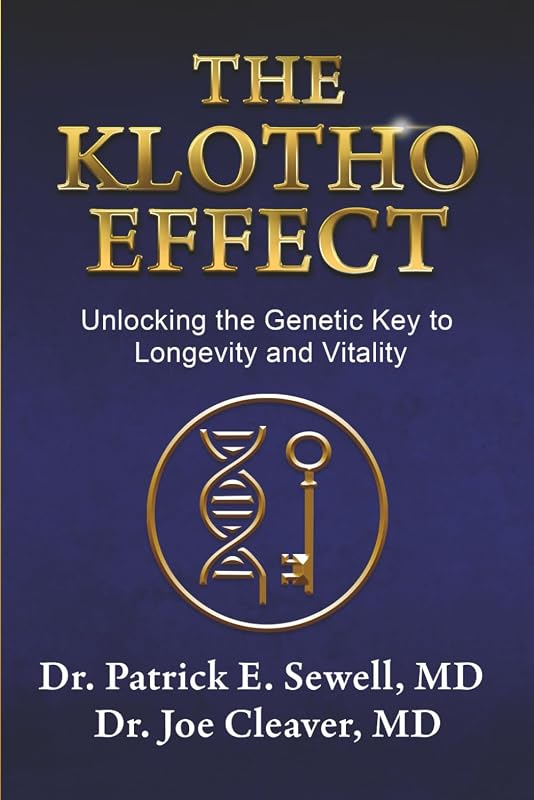
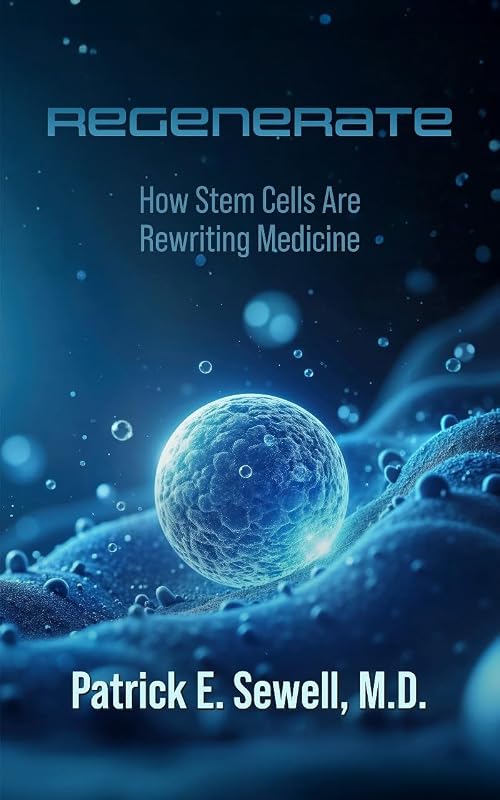
Two decades of published work trace a single line of inquiry: how to reach disease precisely and treat it at its source. The early papers established image-guided cryoablation and radiofrequency ablation for kidney, lung and uterine tumours. The recent work turns that precision to the biology of aging itself — gene transfer of hTERT, Klotho and follistatin, thymic restoration, and the Guardian Paradox framework.
ACADEMIC COLLABORATION
Research Collaboration & Editorial Inquiries
Investigators, institutions and journal editors can contact the Triple Helix Science research directorate.
Treating a systemic disease as a local one: failure points of current pancreatic cancer management and a multimodal, biology-guided framework for redesign
Frontiers in Oncology
Pancreatic ductal adenocarcinoma remains among the most lethal solid tumors, with 5-year survival near 13% despite decades of incremental change, and current management continues to be organized around anatomic resectability and a chemotherapy backbone applied largely without regard to tumor biology. This article advances the thesis that the dominant paradigm underperforms because it treats a systemic, molecularly convergent, multi-compartment disease as though it were a local one.
Depleted before the dose: the mitochondrial vulnerability threshold hypothesis for fluoroquinolone-associated multisystem toxicity
Frontiers in Pharmacology
Fluoroquinolone (FQ) antibiotics have an established capacity for mitochondrial injury, yet only a subset of exposed patients develop severe or persistent toxicity. We propose the Mitochondrial Vulnerability Threshold (MVT) hypothesis: that whether a standard therapeutic FQ dose produces clinically significant toxicity may depend substantially on the patient’s pre-existing mitochondrial reserve capacity rather than on fixed pharmacological properties alone.
Patrick E. Sewell, Christopher J. Jensen
Affected by fluoroquinolone toxicity? Dr. Sewell can advise on treatment. Contact us to inquire, and we can send our supplement and recovery protocol sheet on request. Contact us
Hyaluronidase-enhanced delivery in gene therapy and regenerative medicine for improved vector, cell, and cargo access
Frontiers in Drug Delivery
Efficient delivery of gene therapy vectors and regenerative cargo to the central nervous system (CNS) is limited by the hyaluronic acid (HA)-rich extracellular matrix (ECM). Hyaluronidase enzymes transiently depolymerize HA, reducing tissue viscosity and increasing interstitial permeability through a well-defined, reversible mechanism. This narrative review synthesizes the mechanistic basis, evidence tiers, dosing and technique protocols, safety considerations, and translational knowledge gaps for hyaluronidase as a CNS delivery adjunct.
The Guardian Paradox: DNA damage response overactivation as an integrative driver of aging — a tumor suppressor–negative regulator framework
Aging (Albany NY)
Aging is multi-causal, yet its molecular hallmarks may converge on a few upstream integrating nodes. We advance the hypothesis that chronic, largely mutation-independent overactivation of the DNA damage response (DDR) is one such node, dysregulating the cell's intact guardian pathways—the tumor-suppressor networks and their negative regulators—to induce senescence, deplete stem-cell pools, and drive inflammaging.
Grip strength as a systems biomarker of aging: neuromuscular junction constraints and biomarker decoupling in gene therapy
Frontiers in Aging
Grip strength has emerged as one of the most robust predictors of mortality, disability and healthspan across populations. Yet its predictive validity rests on an often-unstated assumption: that grip strength serves as a passive readout of systemic biological integrity rather than an isolated measure of forearm function. Here we propose that grip strength derives its prognostic power from its position as a convergent output of multiple aging-sensitive physiological systems—including neuromuscular, vascular, metabolic, endocrine and inflammatory networks. We highlight the neuromuscular junction (NMJ) as a particularly critical and often-overlooked rate-limiting factor, noting that age-related strength loss (∼2.5–4% annually) outpaces mass loss (∼0.6–1% annually) by two-to fivefold—a disparity attributable in large part to NMJ deterioration. We introduce the concept of biomarker decoupling and apply it to the emerging landscape of longevity gene therapies being explored in early translational and compassionate-use settings—including follistatin, klotho, FOXO3, hTERT, SIRT1, PGC-1α, VEGF and FGF21. Critically, we argue that follistatin’s anabolic efficacy is contingent on intact NMJ integrity, with denervated muscle fibers exhibiting a blunted net anabolic response despite elevated follistatin expression—creating a therapeutic paradox wherein mass gains can occur without proportional functional improvement. We provide a conceptual analysis of how each therapy may influence grip strength, predict decoupling risk based on the breadth of systems affected, outline plausible timing windows for intervention, and propose a heuristic framework for clinical interpretation. The decoupling categories and any numeric ranges presented here are conceptual and hypothesis-generating rather than empirically validated.